
Women’s Fashion Guide: How to Build a Chic Outfit for Any Day, Body, and Budget
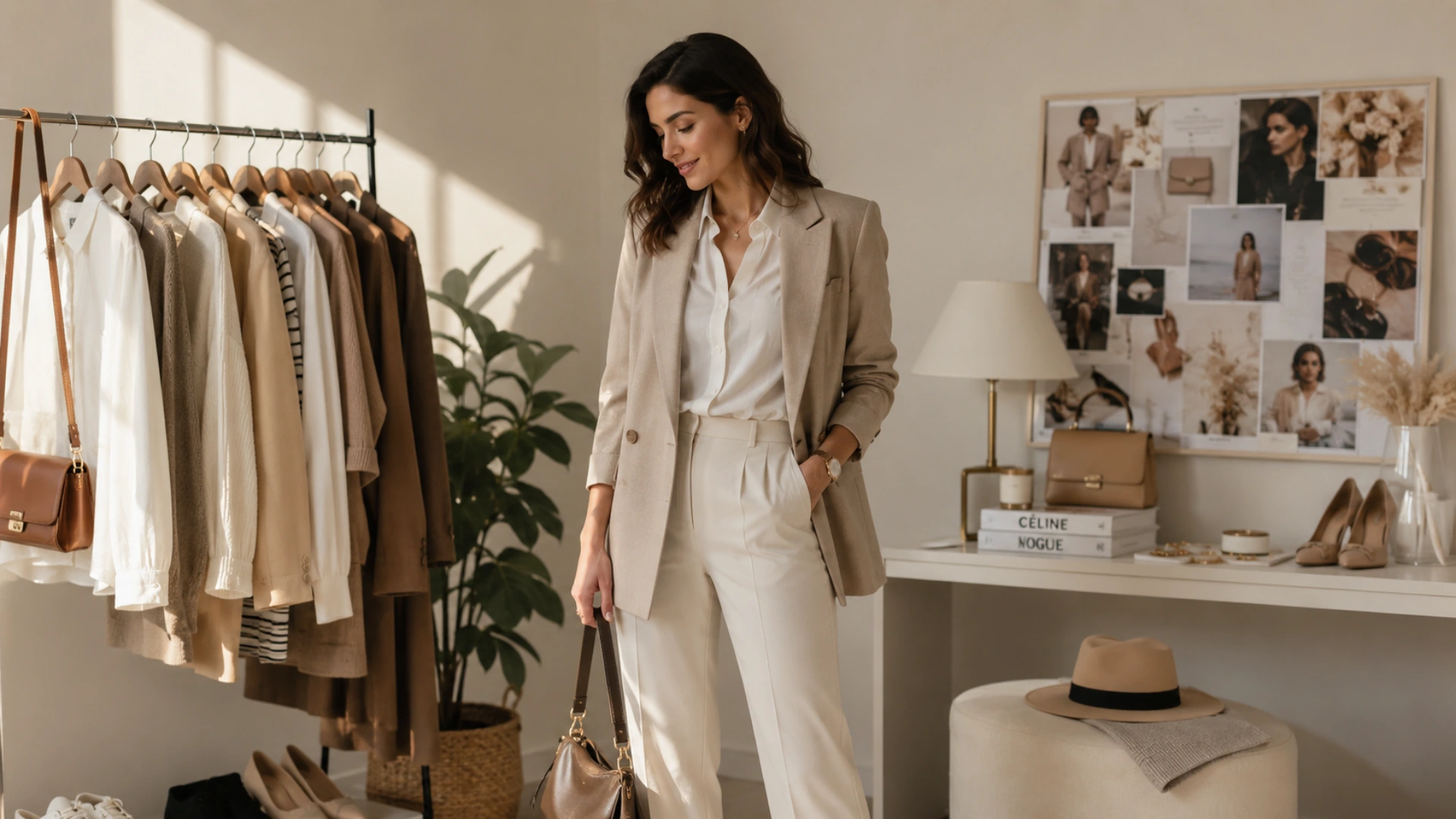
This women’s fashion guide will help you build chic outfits for any day, body type, and budget. “Chic” gets thrown around so often that it’s lost some meaning, but it’s actually one of the more concrete style ideas out there. It isn’t about spending more, following every trend, or owning designer labels. It’s about fit, proportion, and a little bit of intention.
This guide breaks down exactly how that works, with real outfit formulas, body type guidance, budget friendly options, and the small details that separate “fine” from “put together.”
What “Chic” Actually Means
At its core, a chic outfit is one that looks effortless but was clearly chosen with care. It relies on three things working together: clothes that actually fit your body, proportions that are balanced, and one detail that signals intention a great bag, a bold lip, a well placed accessory.
You can be chic in jeans and a white shirt. You can also be chic in a full skirt suit. The clothing category matters far less than whether those three elements are in place.
The 3-Point Chic Rule
- Fit first. Nothing reads as expensive or polished if it’s the wrong size. A $30 blazer tailored to your shoulders will outperform a $300 blazer swimming on your frame.
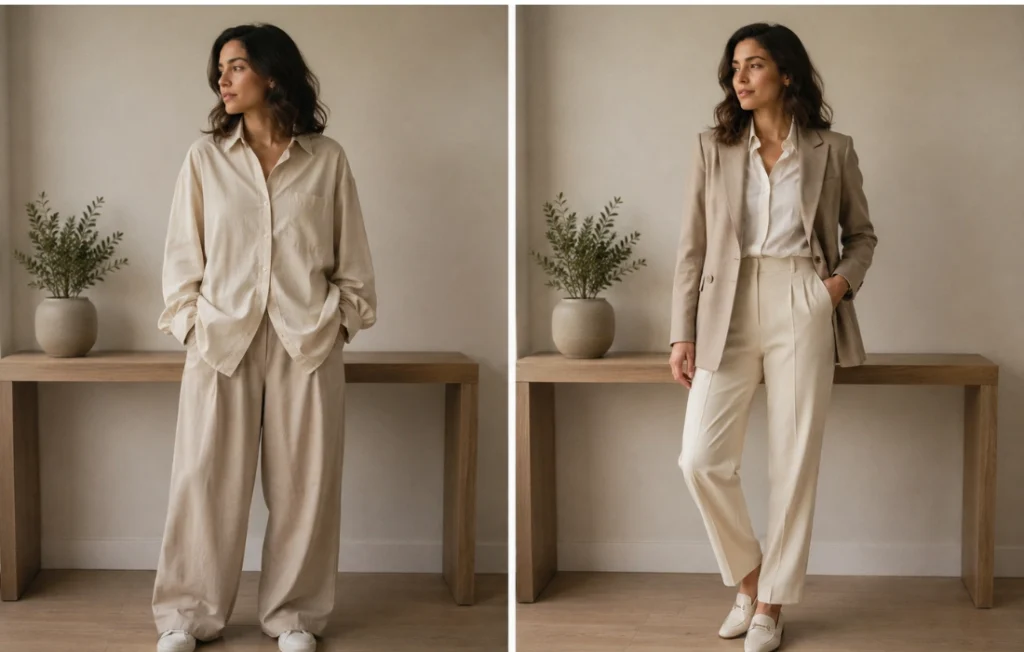
- Balance your proportions. Pair fitted with loose. A relaxed blazer wants a slimmer trouser underneath it; a voluminous skirt wants a fitted top on top. This single habit does more for “looking put together” than any specific trend.
- Add one intentional detail. A structured bag, a stack of gold rings, a bold shoe pick one focal point rather than five competing ones.
The Wardrobe Staples Worth Owning
You don’t need a packed closet to dress well you need the right anchor pieces that can be recombined endlessly. A workable starting list:
- A well-fitted blazer in a neutral color
- Straight or slightly wide-leg trousers
- A crisp white or ivory button-down
- A dark, well-fitted pair of jeans
- A midi skirt in a fabric with some structure (not clingy knit)
- A simple knit sweater in a neutral
- A versatile dress that works dressed up or down
- A quality trench or wool coat
- Two pairs of shoes: one flat (loafer or pointed flat), one low heel or boot
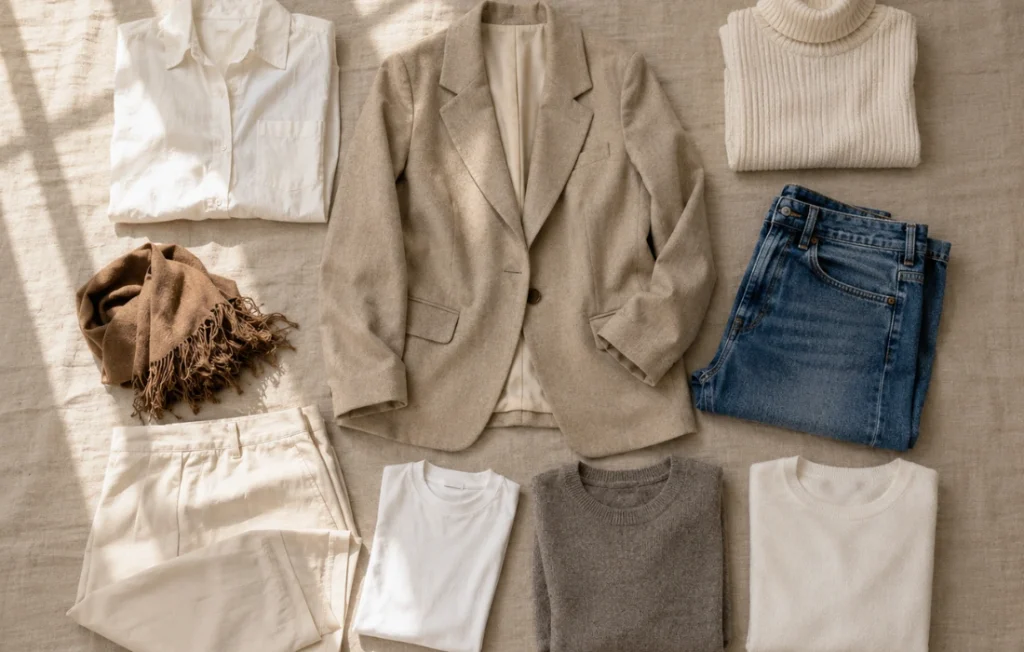
That’s roughly nine pieces, and depending on how you mix them, they can generate dozens of distinct outfits.
Outfit Formulas You Can Repeat
Once you understand the logic, you can build outfits without overthinking them. Here are formulas that work across seasons and budgets.
| Formula | Pieces | Why It Works |
|---|---|---|
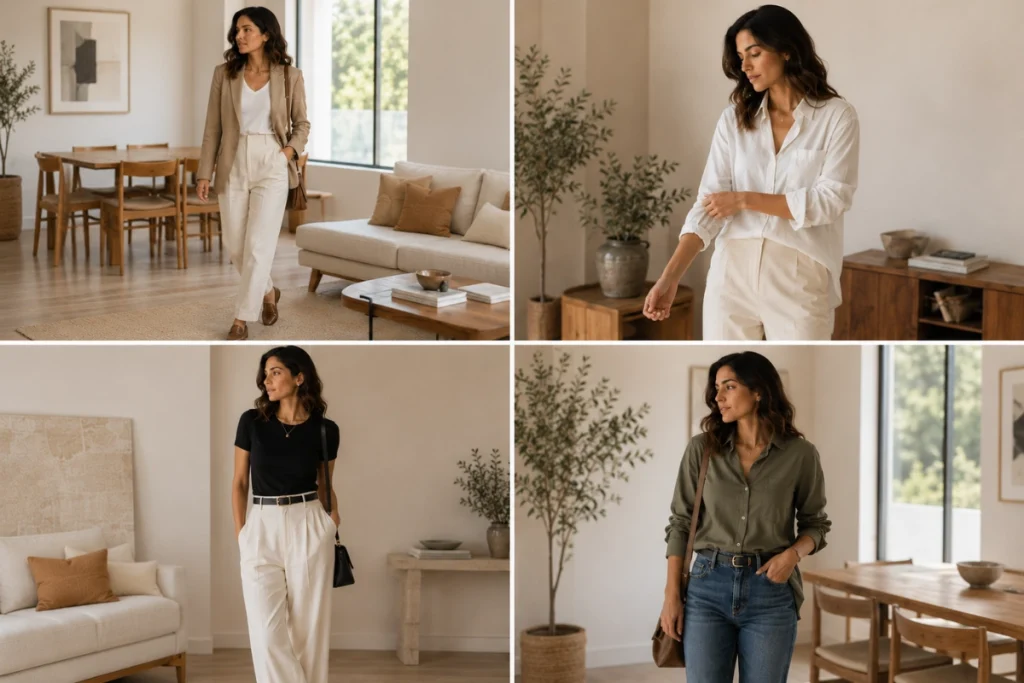
| The Elevated Basic | Fitted white tee + straight trousers + loafers + structured bag | Contrast between casual top and tailored bottom reads as intentional |
| The Soft Power Suit | Oversized blazer + fitted tank + slim trouser + pointed flat | Relaxed on top, fitted below balances proportion |
| The Weekend Polish | Dark denim + tucked knit sweater + ankle boots + gold jewelry | Familiar pieces elevated by tucking and one metal detail |
| The Effortless Dress-Up | Midi dress + belt at the natural waist + low heel + small bag | Belting creates shape without needing a fitted dress |
| The Monochrome Move | Matching tonal top and bottom (e.g., camel on camel) + contrasting shoe | Monochrome instantly reads as elevated and intentional |
Color Pairing That Always Works
Color confidence is one of the fastest ways to look chic without buying anything new it’s often just about combination.
| Base Color | Best Partners | Avoid Pairing With |
|---|---|---|
| Black | White, camel, silver, deep red | Overly bright neon without a neutral to ground it |
| Navy | White, camel, blush, gold | Black (can look muddy together in some fabrics) |
| Camel | White, navy, forest green, black | Very cool-toned pastels, which can clash undertones |
| White/Ivory | Nearly everything the ultimate connector | Stark fluorescent brights without a buffer |
| Olive | Camel, cream, burgundy, mustard | Bright cool pinks |
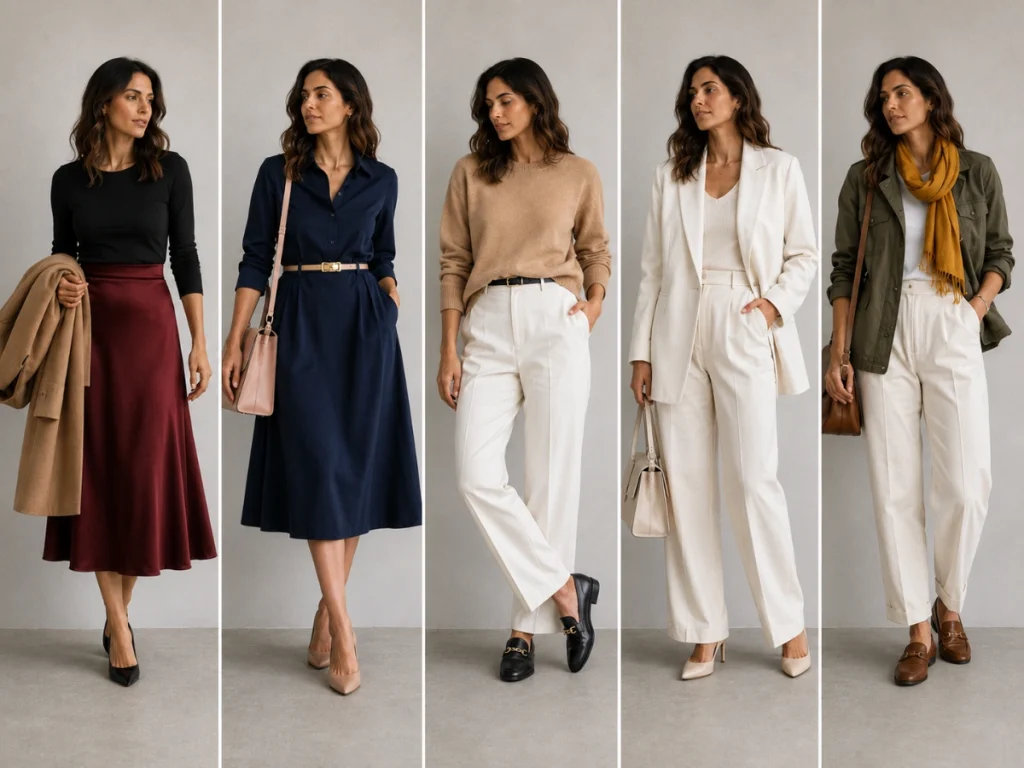
A simple rule: pick one neutral as your base, one secondary neutral, and let a single accent color do the talking.
Dressing for Your Body Not Against It
Every body can wear a chic outfit; the goal is choosing cuts that highlight your proportions rather than fighting them.
- Pear shapes often look great in structured shoulders (blazers, statement sleeves) balanced with straight-leg or wide-leg trousers.
- Apple shapes tend to benefit from defined waistlines created with belts or wrap silhouettes, paired with V-necks that elongate the torso.
- Hourglass shapes generally do well in fitted waists and can experiment more freely with both structured and soft fabrics.
- Rectangle shapes can create curves with peplum details, belted coats, or fabric with movement, like a slightly gathered skirt.
- Petite frames benefit from higher rises, cropped jackets that hit at the hip, and avoiding oversized proportions on both top and bottom at once.
- Tall frames can play with proportion more freely and often look striking in monochrome, which elongates the line of the body.
- Plus-size frames look chic in tailored pieces with real structure the fit-first rule matters even more here, since well-fitted plus-size clothing is still underserved by many mainstream brands, so trying pieces on (or checking detailed size charts) matters.
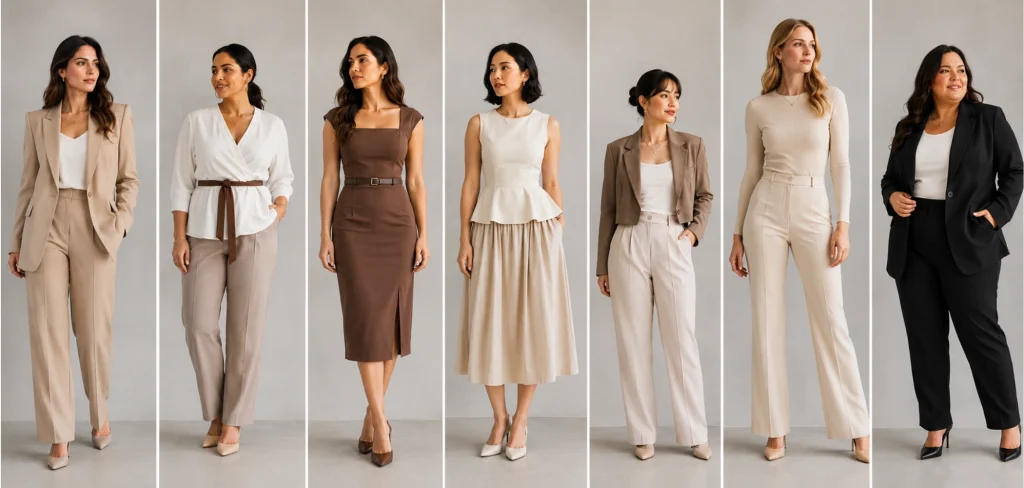
None of this is about restriction it’s about knowing which formulas will take the least effort to look intentional on your particular frame.
Chic on a Budget vs. Investment Pieces
You don’t need to spend a lot to dress well, but knowing where to spend more makes a real difference.
| Category | Budget-Friendly Option | Worth the Investment |
|---|---|---|
| Blazer | Target, Old Navy, Uniqlo | Everlane, Theory, J.Crew |
| Denim | Old Navy, Gap | Reformation, Levi’s Premium |
| Basic Tees/Knits | Uniqlo, Target | Everlane, COS |
| Trench Coat | Zara, H&M | Burberry-adjacent quality wool/cotton blends from mid-tier brands |
| Shoes | DSW, Target | Quality leather from brands like Sam Edelman, Vince |
A useful rule of thumb: spend more on pieces that touch your body directly or get worn constantly (coats, shoes, denim, blazers) and spend less on trend-driven pieces you’ll rotate out within a year or two.
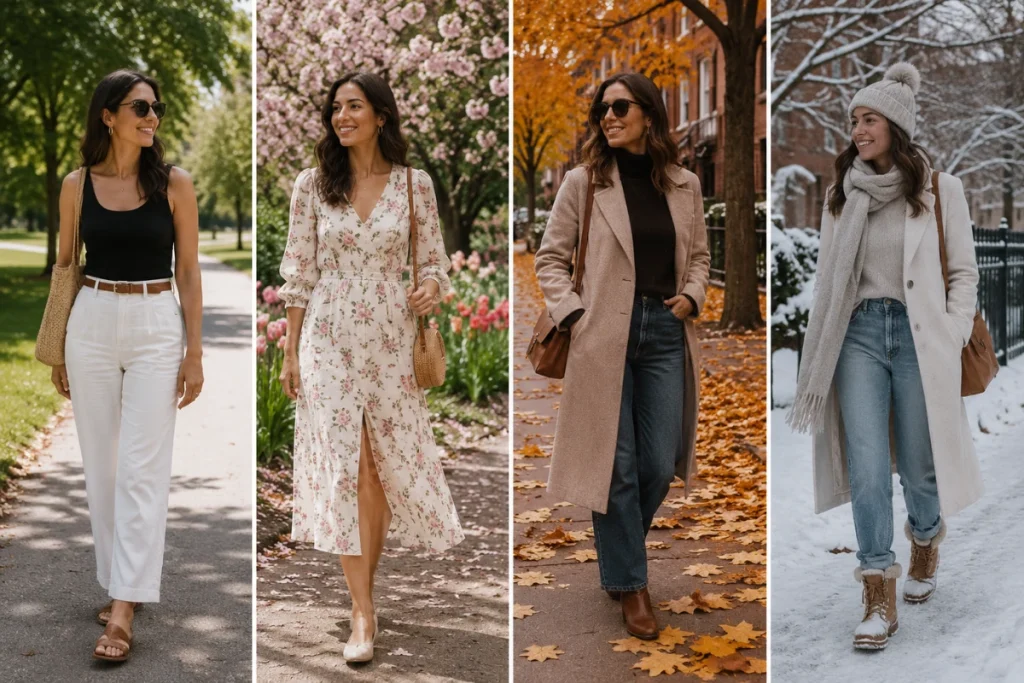
Seasonal Styling Notes
- Spring: Lean into lighter neutrals, cotton poplin, and one seasonal accent color like sage or soft coral.
- Summer: Linen and lightweight cotton keep structure without overheating; monochrome dressing in a single light color feels elevated and cool.
- Fall: Layering is where chic dressing shines a knit under a blazer under a trench creates depth without bulk.
- Winter: Wool coats, structured knitwear, and leather accessories carry the look; don’t let bulky outerwear hide your proportions a belt at the waist over a coat can restore shape instantly.
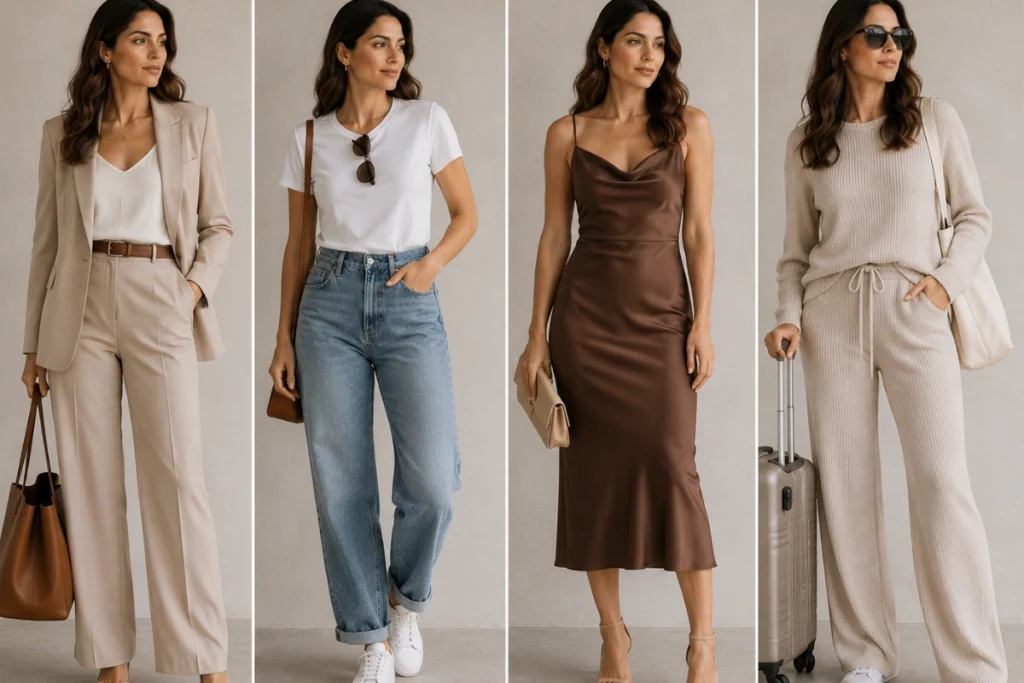
Occasion Guide
- Office: Trouser + blazer + button-down or fitted knit, loafers or a low heel.
- Weekend errands: Elevated basics tucked tee, straight denim, clean sneakers or loafers.
- Dinner out: Midi dress or trouser-and-top combo with a bolder shoe or accessory as the one intentional detail.
- Travel: Monochrome sets in soft, wrinkle-resistant fabrics (ponte knit, jersey blends) that photograph and pack well.
Accessorizing Without Overdoing It
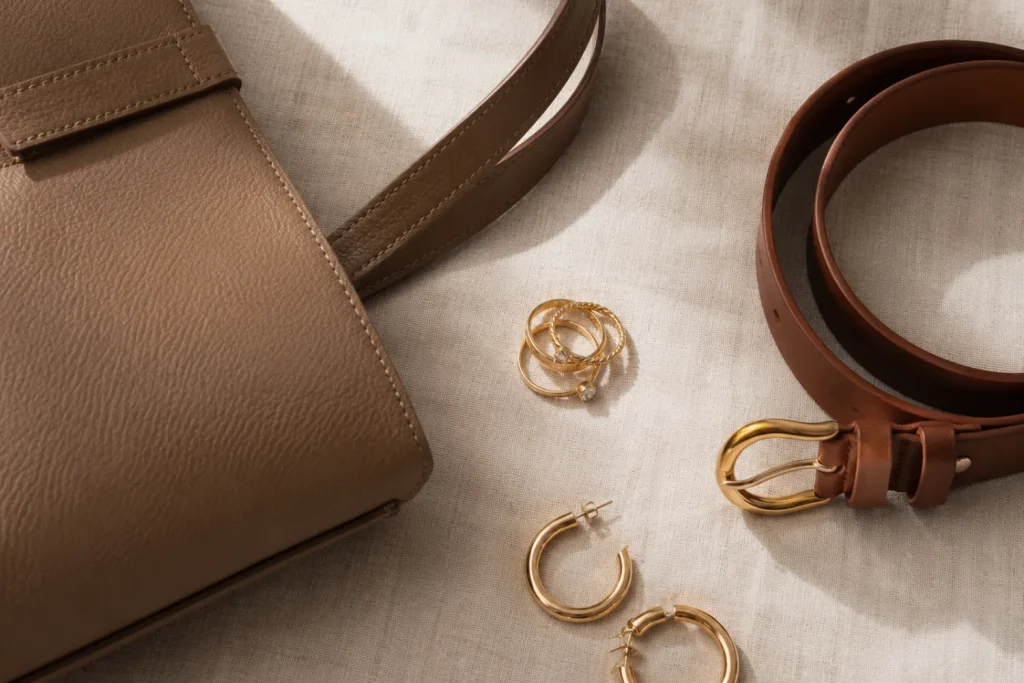
Pick one focal point per outfit rather than layering five trends at once. A structured bag can be your statement one day; bold earrings can be the statement the next. Mixing gold and silver is fine in small doses, but keep it intentional one or two pieces of each, not scattered evenly across your whole look.
Common Styling Mistakes to Retire
- Buying a size down “for motivation” instead of buying for the body you have now
- Matching everything too literally instead of coordinating tones
- Wearing shoes that are visually too heavy or too delicate for the rest of the outfit
- Head-to-toe trend pieces instead of one trend item grounded in basics
- Ignoring hems a too-long trouser or skirt undercuts an otherwise great outfit instantly
The “Is It Actually Chic?” Checklist
Before you wear (or buy) something, run it through this quick check:
- Does it fit my actual body right now, not an aspirational size?
- Is there a clear balance between fitted and relaxed pieces?
- Is there one intentional detail, not five competing ones?
- Are the hems and proportions correct for my height?
- Would I feel comfortable moving, sitting, and walking in this all day?
- Does the color palette feel cohesive rather than scattered?
If you can check most of these boxes, you’re dressed chic, no matter the price tag.
Stylist’s Notes: Small Details, Big Impact
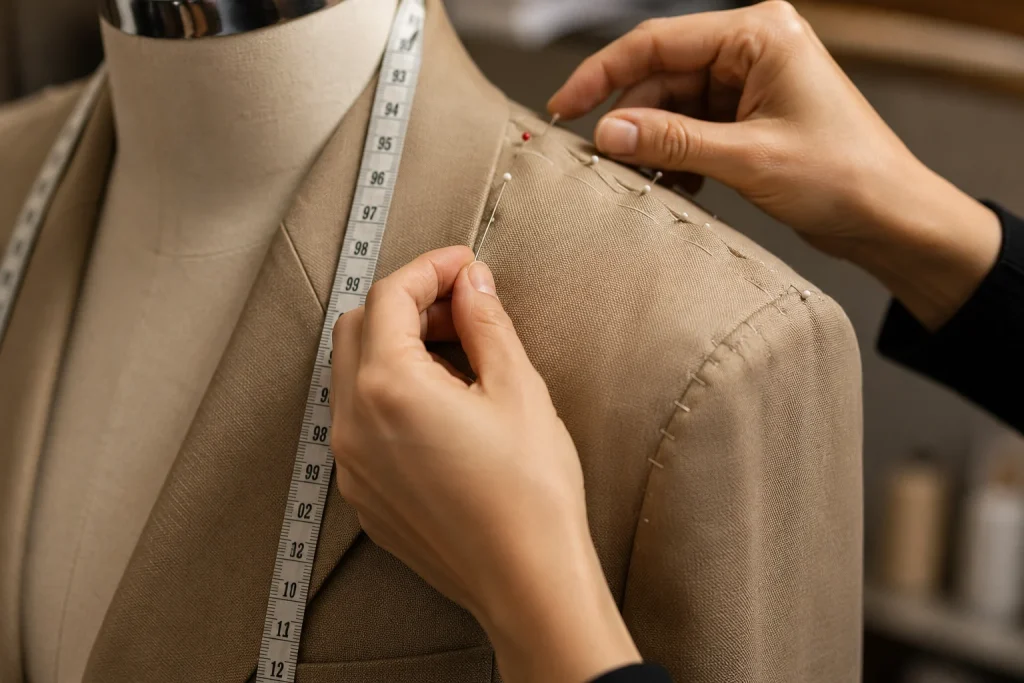
A few things experienced stylists lean on that rarely make it into generic style articles: pressing or steaming your clothes before wearing them changes the entire read of an outfit, even more than the outfit itself. Tailoring a $40 blazer at the shoulders and sleeves can outperform an off-the-rack $300 one. And a well-chosen bag clean, structured, not overly logoed does more visual work than almost any other single item in your closet.
FAQs
What does “chic” actually mean in fashion?
It means an outfit that looks intentional and well-fitted rather than trendy for trendiness’ sake it’s about proportion and care, not price.
How can I dress chic on a tight budget?
Focus on fit and tailoring first, buy quality basics from budget retailers like Uniqlo or Target, and spend any extra budget on cost-per-wear items like a coat or shoes.
What are the fashion basics every woman should own?
A well-fitted blazer, straight trousers, a crisp button-down, dark jeans, a versatile dress, a quality coat, and two solid pairs of shoes cover most situations.
How is classic style different from trendy style?
Classic style relies on timeless proportions and neutral palettes that don’t date quickly, while trendy style follows current fashion cycles that shift every season the most versatile wardrobes blend a classic base with a few trend pieces.
How do I figure out which colors suit me?
Start by noticing which colors make your skin look brighter versus dull in natural light, then build your neutral base around your undertone (warm, cool, or neutral) before adding accent colors.
Final Thoughts
Chic dressing isn’t a personality type or a price point it’s a repeatable system built on fit, proportion, and one intentional detail. Once you internalize that, “nothing to wear” mostly disappears, because you start seeing your existing closet as a set of building blocks instead of a pile of individual items. Start with the formulas above, adjust them to your body and your budget, and let the rest come from your own taste.